How to get rid of dust bunnies (and keep them from coming back)
How to get rid of dust bunnies for good — what they're made of, where they hide, the right removal order, and the habits that keep them away.
Dust bunnies are loose clumps of hair, skin flakes, and fabric fiber held together by static — and the fix is simpler than it looks: vacuum them up with a crevice tool, work each room top to bottom, and then cut off their supply with a few small habits (entry mats, fresh HVAC filters, weekly bedding washes). Here's the full playbook, plus the honest answer to why they always seem to return.
What dust bunnies actually are
A dust bunny is mostly things your household sheds every single day: human and pet hair, dead skin cells, lint from clothes and bedding, carpet fibers, pollen, and fine dirt tracked in on shoes. Static electricity is the glue — charged strands of hair and fiber attract each other and snowball as air currents roll them along the floor.
That's also the answer to "why does my house get so dusty?" It's not a cleaning failure — it's supply. More people, more pets, more textiles, and drier air (which means more static) all produce dust faster. A home with two dogs and wall-to-wall carpet simply generates more raw material than a tile-floored apartment, no matter how often anyone cleans.
The good news: because dust bunnies are light and mobile, they collect in predictable places. You don't have to chase them — you just have to know where they land.
Where they hide

Dust bunnies form wherever air goes still. Moving air carries dust; calm air drops it. That means:
- Under beds and sofas — the classic spot, big, dark, and undisturbed
- Behind and under furniture — dressers, bookcases, the couch you never pull out
- Corners and along baseboards — airflow dies in corners, so dust settles there
- Around vents and cold-air returns — the filter catches some dust; the grille and surrounding floor catch the rest
- Behind electronics — TVs and consoles are static magnets, and their cords trap drifting fluff
- Closet floors and under area rugs' edges — fiber-rich, rarely vacuumed
- Behind the fridge — bonus: dusty condenser coils also make the fridge work harder
Do a quick lap with a flashlight held low against the floor. Raking light makes every bunny cast a shadow — you'll find colonies you didn't know you had.
The removal toolkit (and the order that matters)
Three tools, each with a job:
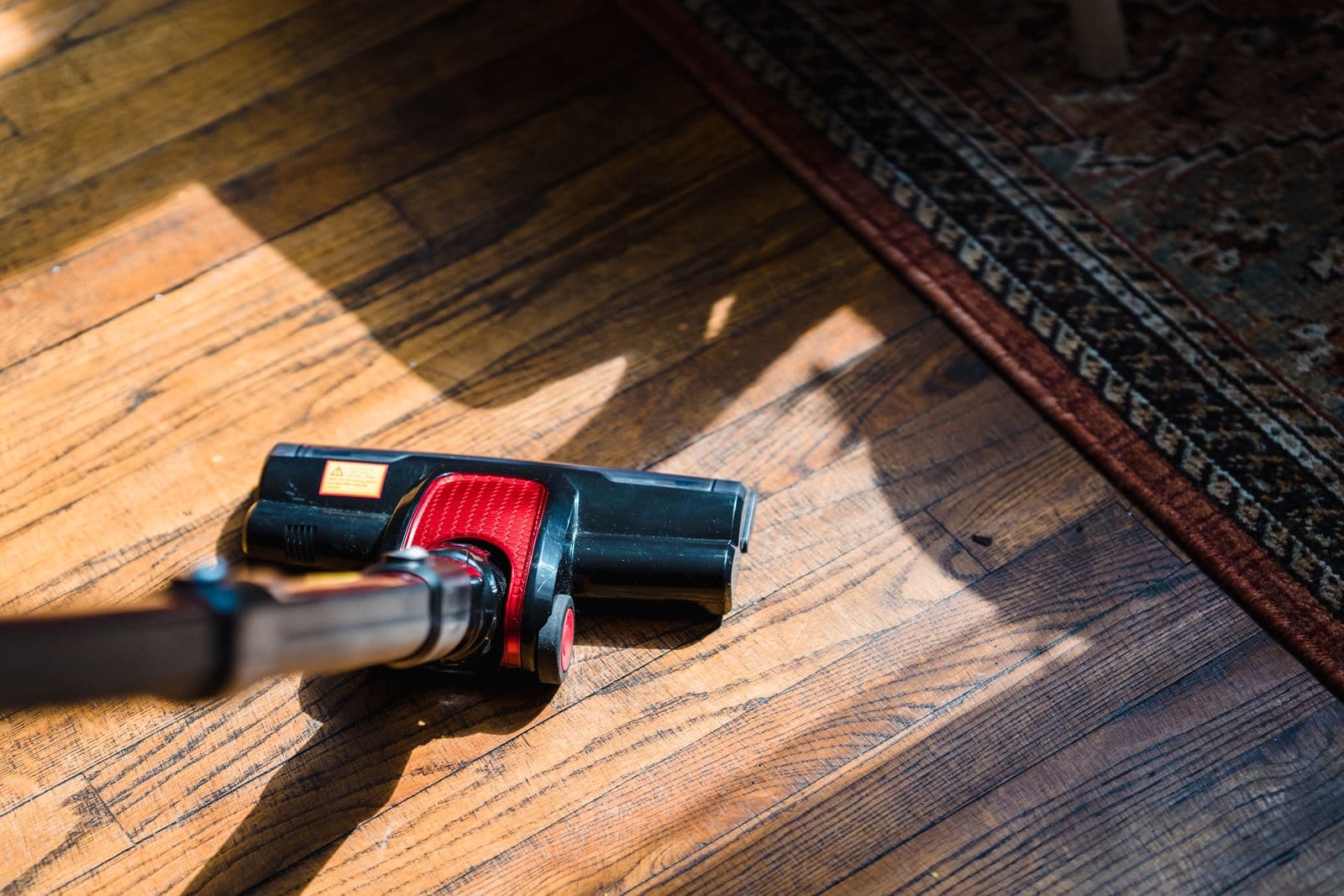
- A vacuum with a crevice tool and brush attachment is the best weapon against the bunnies themselves. It captures rather than scatters, and the crevice tool reaches the tight gaps — under the bed frame, along baseboards, between the couch and the wall. Use the brush head on vents and grilles.
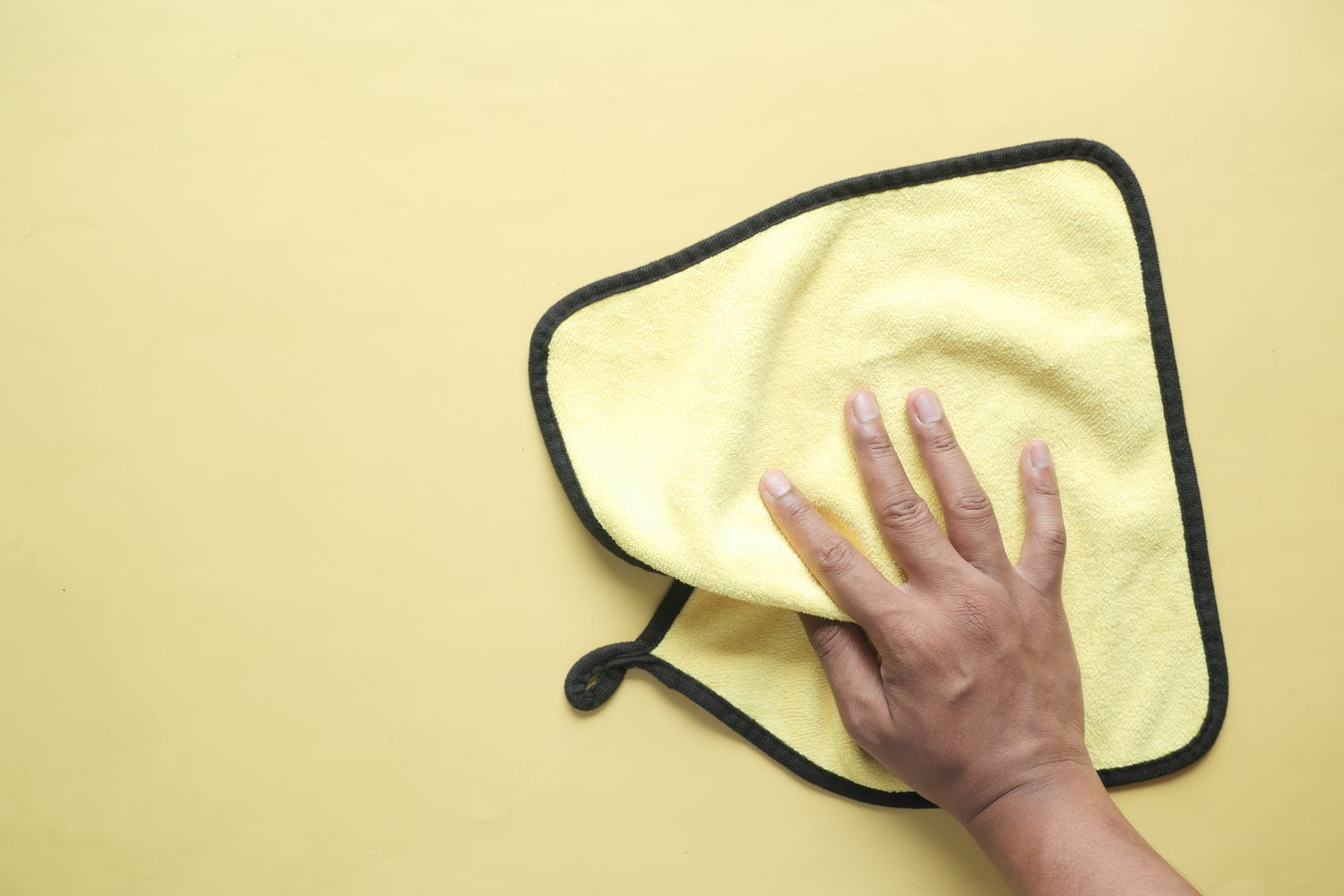
- A dry microfiber cloth owns the surfaces. Microfiber's split fibers grab dust with their own static charge instead of pushing it around the way a cotton rag does. Fold it in quarters and flip to a clean face as it loads up.
- Dusters are for reach, not for floors. A microfiber or lambswool duster on a pole handles ceiling fan blades, vent grilles, and the tops of tall shelves. Classic feather dusters mostly relocate dust — skip them.
The order is the part most people get wrong: always work top to bottom. Dusting knocks debris loose, and gravity takes it down. Start with fans, vents, and high shelves; then furniture surfaces; then baseboards; then vacuum the floor last so it swallows everything the upper passes dropped. If you vacuum first, you'll just re-dust your clean floor.
Two small cautions: a barely damp microfiber cloth is great on baseboards (dust sticks instead of puffing up), and never use aerosol dusting spray on floors — it leaves a slick film that's a genuine slip hazard.
Finish with the floors properly: vacuum first, then mop sealed hard floors. The full technique — wringing, water changes, and what not to use on wood — is in how to mop a floor.
Hardwood vs. carpet: two different games
On hardwood, tile, and vinyl, dust bunnies stay visible and mobile — they roll until something stops them. A dry microfiber flat mop or a vacuum on its hard-floor setting picks them up cleanly. Turn the beater bar (the spinning brush roll) off on bare floors: it scatters light debris and can scuff wood finishes over time. And avoid dry-sweeping with a bristle broom as your main method — it launches fine dust airborne, where it floats for hours and resettles.
On carpet, the problem inverts. You'll rarely see a rolling bunny because the pile swallows hair and fiber before it can clump — which means the dust is still there, just hidden. Carpet needs the beater bar on, slow overlapping passes, and two directions in high-traffic areas. Carpeted rooms with pets genuinely need vacuuming once or twice a week; the carpet is quietly banking everything you don't remove.
Either way, the under-furniture zones collect at the same rate. Slide the crevice tool or a flat mop under the low pieces every time — that's where the reserves live.
Five habits that actually cut the dust supply
Removal treats the symptom. These treat the source:
- Mats at every entry — ideally one outside and one inside — plus a shoes-off habit. A large share of household dust is tracked-in outdoor dirt, and mats stop it at the door.
- Change your HVAC filter every 1–3 months. A clogged filter stops filtering, and your system starts redistributing dust instead of trapping it. Check monthly if you have pets; a mid-range pleated filter captures far more than the bargain fiberglass panels.
- Keep indoor humidity around 40–50%. Dry air builds the static charge that binds bunnies together and glues dust to surfaces. A humidifier in winter makes a visible difference — but don't push far past 50%, since damp air encourages dust mites and mold.
- Groom your pets regularly — brushing outdoors or in one easy-to-clean spot captures hair before it tours the house — and wash pet bedding often. Pet hair is the number-one bunny ingredient in most homes that have animals.
- Wash your bedding weekly. Sheets and blankets shed fiber and collect skin flakes all week; a hot wash removes that material before it migrates to the floor. Weekly is the same rhythm dust-mite control calls for, so it does double duty.
The honest part: dust bunnies always come back
No purge is permanent, because the supply never stops — every day of ordinary living sheds more hair, fiber, and skin. What keeps a home actually bunny-free isn't a heroic once-a-season attack; it's a steady weekly or biweekly rhythm where dusting, vacuuming, and the under-furniture pass happen before clumps can form.
If you'd rather not own that rhythm yourself, that's precisely what a recurring standard clean is for: regular upkeep on a schedule, so the dust never gets ahead. You can get an exact price online in about two minutes, and nothing is charged until after the clean is done — with a 24-hour re-clean guarantee if anything was missed.
Ready for a spotless home?
See your price and book a cleaning in under two minutes — no calls, no back-and-forth.
Get your instant price